
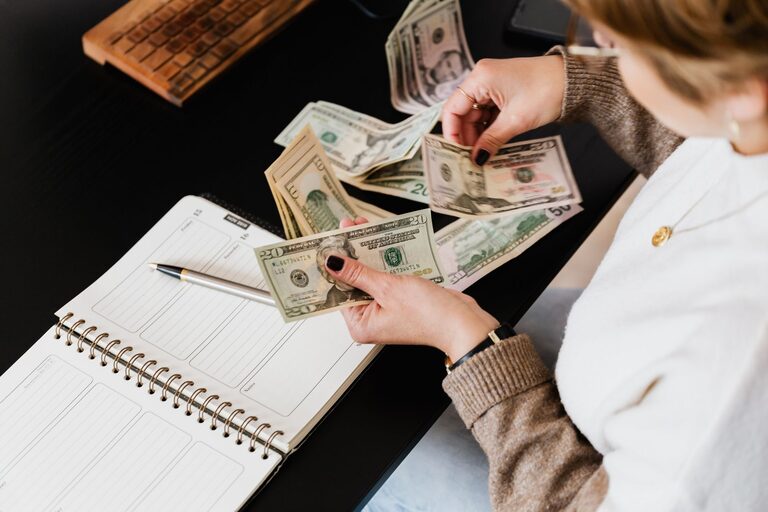
Simple Budget Habits for Everyday Life You Can Start Today
Managing your money well doesn’t have to be complicated or overwhelming. By adopting simple budget habits in your everyday life, you can gain control over your finances, build savings, and reduce money-related stress. Whether you’re new to budgeting or looking for practical ways to improve, these straightforward strategies can help you create lasting financial habits without feeling restricted.
Why Simple Budget Habits Matter
Budgeting is often seen as a daunting task involving spreadsheets and strict limits. But it doesn’t have to be that way. Simple habits make managing money approachable and sustainable. When budgeting fits naturally into your daily routine, you’re more likely to stick with it and see real progress.
Easy Budget Habits to Start Today
1. Track Your Expenses Daily
Start by knowing where your money goes. Spend just a few minutes each day jotting down what you spend, whether it’s a coffee, grocery trip, or gas. You can use a notebook, a budgeting app, or even text notes on your phone.
– Helps you spot unnecessary expenses
– Builds awareness of spending patterns
– Makes month-end reconciliation easier
2. Set a Weekly Spending Limit
Instead of stressing about monthly budgets, break your spending goals into weekly limits. This keeps your spending manageable and lets you adjust faster if needed.
– Encourages mindful spending
– Prevents overspending early in the month
– Allows flexibility for unexpected expenses
3. Plan Meals and Grocery Shopping
Food expenses can be a major budget drain. Planning meals ahead reduces impulse purchases and food waste.
– Make a shopping list before going to the store
– Buy only what you need for the week
– Use leftovers creatively to stretch meals
4. Automate Savings
Make saving effortless by automating transfers to a savings account. Treat savings like a monthly bill you must pay.
– Builds emergency funds without thinking
– Helps reach financial goals faster
– Prevents temptation to spend extra money
5. Avoid Using Credit Cards for Everyday Purchases
Using credit cards can make it harder to track spending since payments happen later. Stick to cash or debit cards for daily expenses.
– Encourages spending only what you have
– Reduces the risk of accumulating debt
– Simplifies expense tracking
6. Review Your Monthly Bills Regularly
Keep an eye on recurring bills like utilities, subscriptions, and phone plans. Sometimes, you can switch to cheaper options or cancel unused services.
– Saves money on monthly expenses
– Keeps your budget updated
– Prevents surprises in your bank account
7. Practice Mindful Spending
Before making non-essential purchases, pause and ask yourself if the item is really necessary.
– Helps avoid impulse buys
– Encourages thoughtful decision-making
– Supports long-term financial goals
8. Set Financial Goals
Having clear goals motivates good budgeting habits. Whether it’s saving for a vacation, paying off debt, or building an emergency fund, goals provide purpose.
– Gives direction to your budget
– Makes tracking progress rewarding
– Keeps you focused during challenges
Helpful Tools for Simple Budgeting
You don’t need complex software to budget well. Here are some user-friendly tools:
– Budgeting apps: Many apps allow easy expense tracking and goal setting with reminders.
– Spreadsheets: A simple spreadsheet can help organize income and expenses visually.
– Cash envelopes: Using cash for different spending categories makes it tangible and easier to control.
Tips to Stay Consistent
– Set a specific day each week to review your spending.
– Celebrate small wins to stay motivated.
– Involve family members to keep everyone on the same page.
– Adjust your budget habits as your financial situation changes.
Conclusion
Building simple budget habits can make a big difference in your everyday financial health. By tracking your expenses, setting realistic spending limits, automating savings, and staying mindful, you can reduce stress and build a stronger financial future. Start small and be patient—good habits take time to form but can last a lifetime.
